Exteriors Built for Decades of Weather
Siding in Williston for homes with faded or wind-damaged exterior cladding
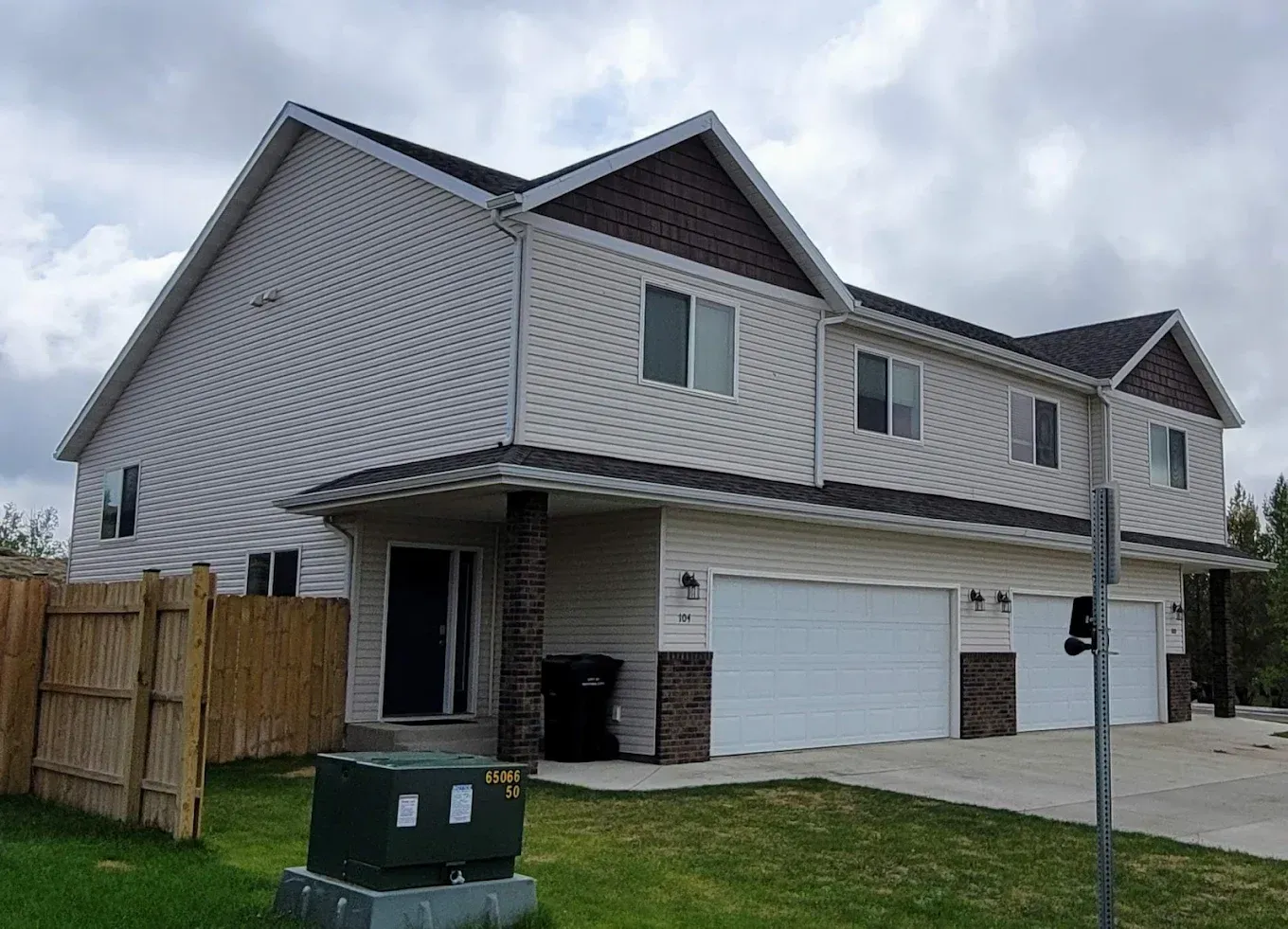
Faded siding that shows color loss and chalking no longer provides the weather barrier your home requires, allowing wind-driven moisture to reach sheathing and insulation. Williston Roofing Company replaces damaged or aging siding with materials engineered to handle North Dakota's temperature swings, high winds, and UV exposure that degrade lower-quality products within years. You notice the difference when heating costs drop because the building envelope no longer leaks air through warped or cracked panels that have pulled away from the structure.
Siding replacement involves removing old material to inspect sheathing for rot or damage, then installing new panels with proper flashing and drainage planes that prevent water intrusion behind the cladding. The installation includes starter strips, corner posts, and trim details that seal transitions where different materials meet. Material selection considers your maintenance preference and climate exposure, with options ranging from vinyl that resists impact damage to fiber cement that withstands hail without denting.
Schedule a siding consultation to identify damage that affects energy performance and determine what material suits your home's design.
How Siding Installation Addresses Weather Intrusion
Complete siding projects address the water-resistive barrier behind the cladding, which controls moisture that penetrates through seams or wind-driven rain that bypasses surface protection. Proper installation leaves a ventilation gap that allows trapped moisture to escape rather than saturating insulation, which matters during shoulder seasons when temperature differences create condensation inside wall cavities. Fastening schedules account for thermal expansion, preventing the buckling that occurs when panels are nailed too tightly and cannot move as temperatures shift from subzero winter conditions to summer heat.
After siding replacement, you see consistent color across all elevations, gaps around windows and doors disappear, and drafts that made certain rooms uncomfortable no longer occur. Indoor temperatures stabilize because the building envelope seals properly, reducing the load on heating equipment and eliminating cold spots near exterior walls. The exterior maintains its appearance through multiple seasons without the fading or warping that made the old siding look worn within a few years of the original installation.
Siding projects sometimes reveal underlying sheathing damage that requires repair before new material installs, particularly around windows where flashing failures allowed years of moisture exposure. Homes with outdated insulation levels may benefit from adding rigid foam during siding replacement, improving thermal performance without altering interior finishes. Color selection affects long-term appearance, with lighter shades resisting UV fading better than darker tones that absorb heat and show wear more quickly in high-sun exposures.
Common Questions About This Service
Property owners usually ask about material longevity, installation duration, and whether existing siding can remain in place during replacement.
What siding materials perform best in Williston's climate?
Fiber cement and quality vinyl both handle temperature extremes and wind exposure effectively, with material choice depending on your preference for maintenance requirements and impact resistance during hailstorms.
How long does siding replacement take?
Most residential projects complete within several days to a week, depending on home size, the extent of sheathing repairs required, and weather conditions that affect installation timing.
Why does siding fail prematurely on some homes?
Improper installation that traps moisture, inadequate flashing around openings, and low-grade materials that cannot withstand UV exposure or thermal cycling all contribute to early failure that requires replacement years before expected.
What happens to the old siding during replacement?
Existing siding is removed and disposed of as part of the project, allowing inspection of the underlying structure and ensuring new material installs on a sound, properly prepared surface.
How does new siding affect energy costs?
Properly installed siding with intact weather barriers reduces air infiltration and heat loss through exterior walls, which lowers heating demand during Williston's extended winter months and improves overall comfort throughout the home.
Williston Roofing Company matches siding materials to your home's architectural style and the maintenance level you prefer, completing installations that protect the structure while improving curb appeal. Request an estimate to review material options and assess what level of sheathing repair your home requires before new siding installs.