Evaluations That Catch Problems Early
Roof Inspections in Williston for properties exposed to hail storms and rapid snow melt cycles
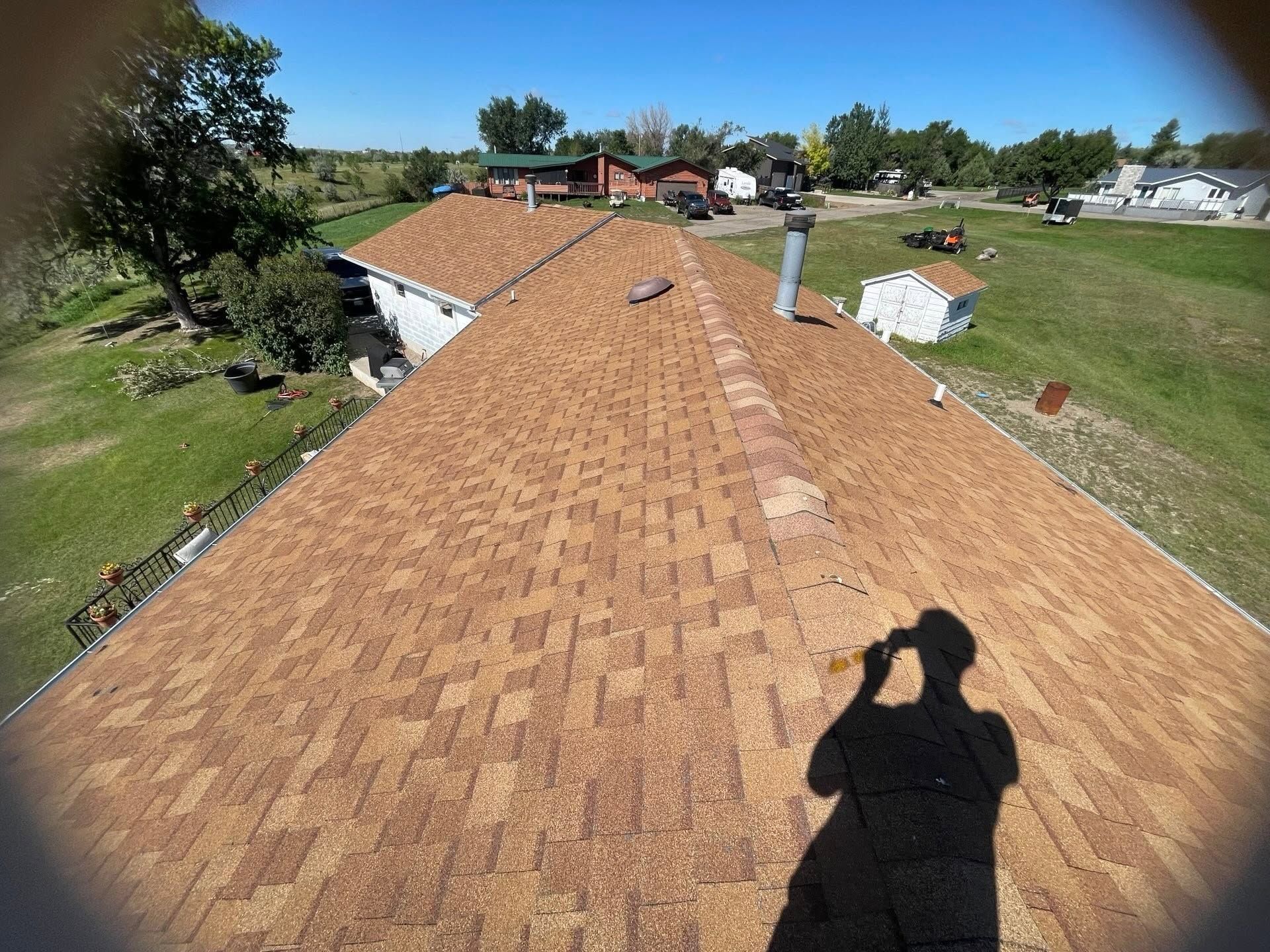
A single undetected flashing gap can funnel water into wall cavities for months before stains appear on ceilings, by which time rot has spread through sheathing and framing. Williston Roofing Company conducts roof inspections that identify compromised sealant, lifted shingles, and deteriorated underlayment before leaks develop into structural damage. Inspections involve walking every slope to check granule loss patterns, examining valleys for debris dams, and verifying that vent boots remain sealed around pipe penetrations where movement from thermal cycling often breaks adhesive bonds.
The inspection process includes checking shingle tabs for wind damage, measuring the remaining thickness of asphalt layers to estimate service life, and documenting dents or punctures from hail impacts. Inspectors also evaluate attic ventilation balance by comparing soffit intake area to ridge exhaust capacity, since insufficient airflow accelerates shingle aging and promotes ice dam formation when snow melts and refreezes at eaves. After severe weather events, inspections focus on wind-facing slopes where uplift forces concentrate and where hail strikes at steeper angles, creating more impact damage than on flat surfaces.
Schedule a professional roof inspection to document current conditions and receive a detailed report that outlines specific repair needs and projected replacement timelines.
How Inspections Address Regional Weather Patterns
Inspectors use moisture meters to detect hidden leaks in sheathing and measure attic humidity levels that indicate ventilation deficiencies or active leaks. They photograph damaged areas from multiple angles to create a visual record for insurance claims or maintenance planning, and they note the age and condition of flashing around chimneys, skylights, and where roof planes intersect. The inspection report specifies whether repairs can extend roof life by five years or whether advancing wear justifies replacement planning.
After the inspection, you'll receive documentation that identifies specific problem areas with grid references showing exact locations on your roof, along with photos that illustrate the type and severity of damage. The report distinguishes between urgent repairs that prevent immediate leaks and maintenance items that can be scheduled during favorable weather. Homeowners use this information to budget for repairs, support insurance claims after storms, and plan replacement projects before emergency failures force rushed decisions during winter months when installation conditions are poor.
Routine inspections are recommended every three years for roofs under fifteen years old and annually for systems approaching twenty years of age. Properties with cedar trees overhanging roof sections may need more frequent inspections to catch moss growth and debris accumulation that trap moisture and accelerate shingle deterioration.
What Property Owners Usually Ask
Questions about roof inspections often center on timing, documentation, and what specific conditions inspectors evaluate during assessments in Williston.
What specific damage do inspectors look for after hailstorms?
Inspectors check for circular bruises in shingle granules where hail impacts fractured the asphalt layer beneath, examine metal flashing for dents that indicate stone size, and look for cracked or split shingles on slopes facing the storm direction—damage patterns help determine whether repair or replacement is warranted.
How soon after a windstorm should roofs be inspected?
Inspect within one week of wind events exceeding fifty miles per hour, as lifted shingles may initially reseal during warm weather but will fail during the next temperature drop when asphalt becomes brittle and adhesive bonds no longer hold.
When are infrared inspections useful for detecting hidden leaks?
Infrared cameras identify temperature differentials caused by wet insulation in attic spaces, making them valuable after ice dam events or when ceiling stains suggest leaks but visual inspection cannot locate the entry point—wet areas retain heat differently than dry insulation.
What documentation should inspections provide for insurance purposes?
Comprehensive reports include date-stamped photos, measurements of damaged areas, descriptions of failure mechanisms, and estimates of repair costs—insurers require this detail to process claims and distinguish storm damage from normal wear.
How do inspectors assess remaining roof lifespan?
Inspectors measure granule loss, check for asphalt brittleness by testing shingle flexibility, and evaluate flashing condition to estimate how many years of weatherproofing remain—roofs with twenty percent granule loss typically have five to seven years left before replacement becomes necessary.
Williston Roofing Company provides inspection services that include attic access to verify ventilation and check for interior leak evidence, along with drone photography for steep or unsafe roof sections. Contact the team to arrange an evaluation and receive a written assessment of your roof's current condition and maintenance priorities.